Maine hearing on transgender athletes sets up high-profile November election
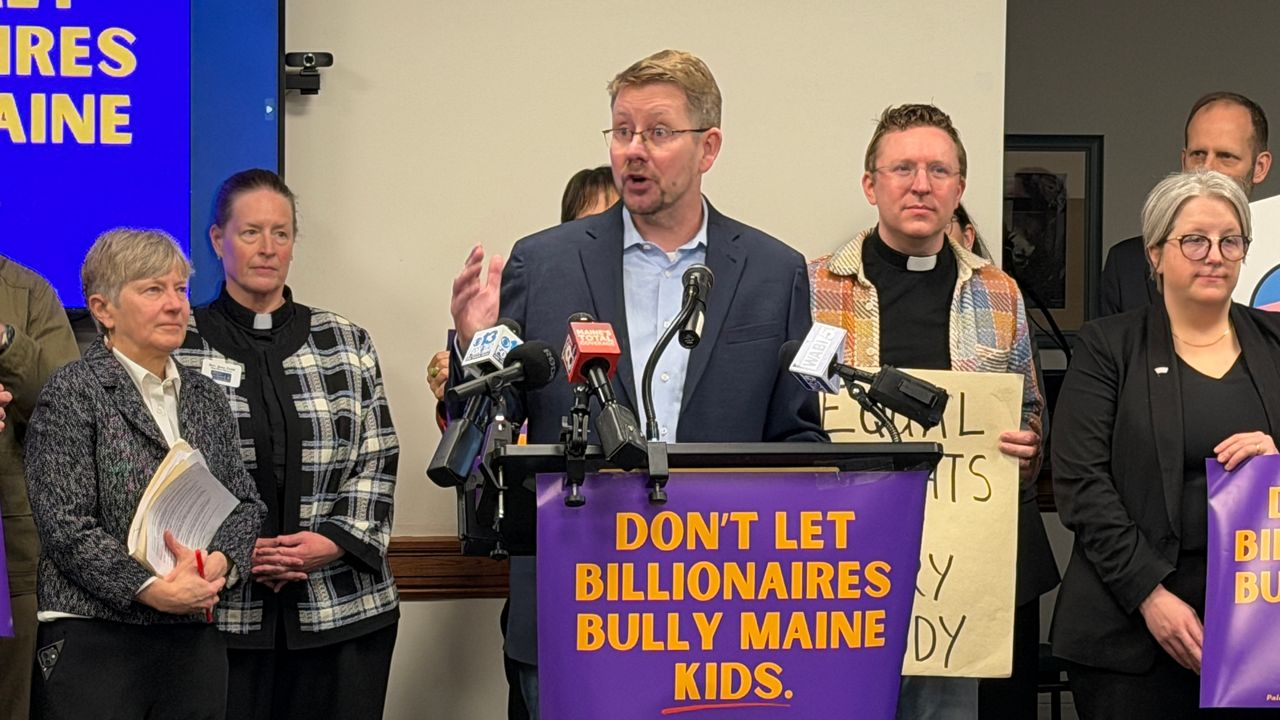
MCC (Jane Field) and Multifaith Justice Maine ( Jodi Hayashida) offered faith-based testimony in Augusta opposing the anti-trans referendum. Field was quoted in the following PPH article.
The ballot initiative seeks to restrict transgender athlete participation in sports and require separate bathrooms and locker rooms for students based on the sex they were assigned at birth.
PressHerald Staff Writer Billy Kobin Posted April 14, 2026
AUGUSTA — A public hearing on a measure to no longer allow transgender athletes to compete in sports in a way that aligns with their gender identity brought familiar arguments for and against it Tuesday, but the broader debate remains set for a November referendum.
The Judiciary Committee held a hearing in the waning hours of the legislative session to follow state law on the citizen initiative process, which requires lawmakers to let the public weigh in on ballot proposals before they go to voters.
Democratic members predictably voted against advancing it to the legislative floor, keeping Tuesday limited to hearing testimony from Mainers.
That means voters will settle things in November.
Maine has wrestled with transgender rights debates since last year, when President Donald Trump singled out Gov. Janet Mills and started targeting Maine’s federal funding over the topic.
Supporters of the ballot initiative are seeking to keep transgender students from competing in sports and using changing rooms in a way that aligns with their gender identity. It would require public school students to play on teams matching the sex that appears on their birth certificates. Girls could play on a boys team if no female team is available to them in a given sport.
The proposal would also require schools to maintain separate bathrooms and locker rooms for use by students based on the sex they were assigned at birth. It would allow a student to file a lawsuit against a school if they are “deprived of an athletic opportunity” or if they sustain “direct injury” due to a violation of the proposed law.
Tuesday’s hearing in Augusta did not feature as many attendees or as much attention as last year’s hearing on a slate of similar Republican-led bills.
The Democratic-controlled Legislature eventually blocked those measures, though a few House Democrats backed a sports-focused one to help it narrowly pass that chamber before the Senate defeated it.
Tuesday was a more perfunctory opportunity late in the session for supporters and opponents to air arguments.
Supporters of the proposal include Brunswick resident Leyland Streiff, who said last month that if a “female wants a female-only space or opportunity, she must be afforded that under the law.”
“Anything else is discrimination, and frankly regressive,” Streiff said.
Proponents have also pointed to polling showing majority support among Americans for not allowing transgender athletes to compete on teams in accordance with their gender identity.
Opponents have cast the ballot initiative as discriminatory and harmful for students, and they have criticized out-of-state funding in support of the referendum that includes $800,000 from conservative megadonor Richard Uihlein.
Rev. Jane Field, a Presbyterian minister who leads the Maine Council of Churches, said Tuesday the argument from referendum supporters about trying to protect girls is misleading.
“Beneath the surface of that claim, make no mistake, what lies is contempt for transgender people,” Field said.
Secretary of State Shenna Bellows released the following proposed ballot language earlier this month: “Do you want to change civil rights and education laws to require public schools to restrict access to bathrooms and sports based on the gender on the child’s original birth certificate and allow students to sue the schools?”
The initiative’s supporters criticized Bellows, a Democrat who is also running for governor this year, for the language, which they feel is misleading. Bellows’ office is accepting comments on the proposed wording until May 7.
Her office said in March it had verified more than 71,000 valid signatures from supporters of the referendum to qualify it for the November ballot. However, three Maine residents filed a lawsuit that is pending in Cumberland County that claims several thousand signatures are invalid.
Twenty-nine states already ban transgender youth from participating in school sports in a way that aligns with their gender identity, either via statutes or agency policies, according to the Movement Advancement Project, a nonprofit that tracks gender equality issues.
Similar referendums may go before voters in states such as Nevada and Colorado.